1️⃣ Present Simple vs. Present Continuous
Understanding the difference between these two tenses is crucial for ESL learners.
- Present Simple: Used for habits, routines, and general facts.
- Example: “She wakes up at 7 a.m. every day.”
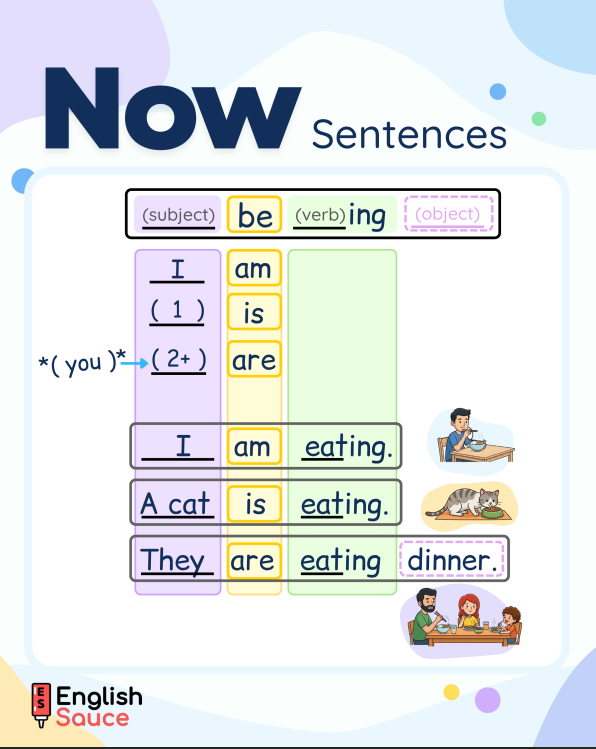
- Present Continuous: Describes ongoing actions happening now.
- Example: “She is waking up right now.”
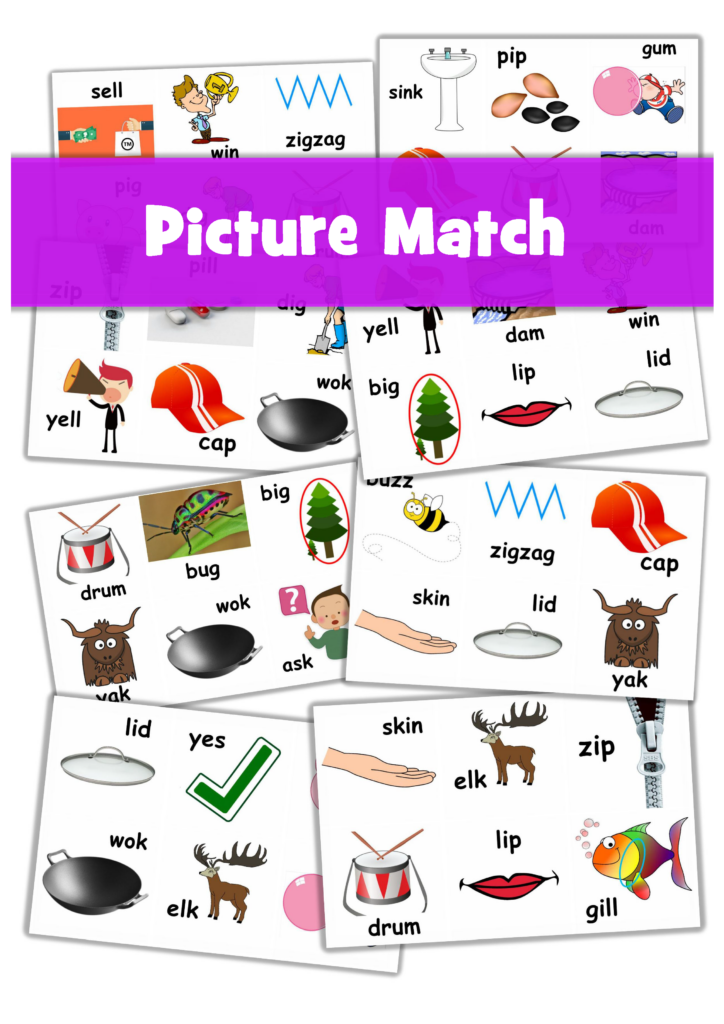
Activity Idea: Have students first describe their daily routines using the Present Simple. Then, show them a picture of people engaged in various activities and ask them to describe what is happening using the Present Continuous.
2️⃣ Past Simple vs. Past Continuous
These tenses help students express completed and ongoing past actions.
- Past Simple: Used for completed actions at a specific time in the past.
- Example: “He visited Paris last summer.”
- Past Continuous: Describes an action that was happening when another action interrupted it.
- Example: “He was visiting Paris when he met his old friend.”
Activity Idea: Picture Story Chain
Show students a series of pictures depicting actions (e.g., a person running, rainy weather, a dog barking, a car stopping).
Explain that the first student will start the story with a sentence in Past Simple, and the next student will add an interrupting action using Past Continuous.
Continue the chain, alternating between the two tenses following the pictures.
Example:
- Student 1 (Past Simple): “A person ran in the park.”
- Student 2 (Past Continuous): “A person was running when it rained.”
- Student 3 (Past Simple): “A dog barked.”
- Student 4 (Past Continuous): “A dog was barking when a car stopped.”
3️⃣ Future Forms: Will vs. Going to
Students often confuse these two future forms, so clarity is key.
- Will: Used for spontaneous decisions, promises, and predictions.
- Example: “I will call you later.”
- Going to: Used for planned actions and strong intentions.
- Example: “She is going to start a new job next month.”
Activity Idea: Role-Play Scenarios
- Divide students into pairs and give them role-play cards with different situations. Students practice saying the correct tense.
Examples:
- Scenario: Your friend is looking for a pen to write something down.
Prompt: Offer to help them.
Choose the Response: A) “I will lend you my pen.” B) “I’m going to lend you my pen.” - Scenario: You’ve decided to throw a party next Saturday.
Prompt: Tell your friend about your plans.
Choose the Response: A) “I will throw a party next Saturday.” B) “I’m going to throw a party next Saturday.” - Scenario: Your friend’s car breaks down on the way to work.
Prompt: Offer to help them.
Choose the Response: A) “I will call a mechanic for you.” B) “I’m going to call a mechanic for you.”
4️⃣ Present Perfect vs. Past Simple
These tenses can be tricky, but understanding their key differences makes it easier.
- Present Perfect: Used for actions that happened at an unspecified time before now or have relevance to the present.
- Example: “I have eaten sushi before.”
- Past Simple: Used for actions completed at a specific past time.
- Example: “I ate sushi last night.”
Activity Idea: Play a “Have You Ever…?” Game
- Prepare a list of “Have you ever…?” questions.
“Have you ever traveled to another country?” “Have you ever tried a dangerous sport?” “Have you ever lost something important?”
- Divide students into pairs or small groups.
- Students take turns asking each other “Have you ever…?” questions.
Example:
- A: “Have you ever traveled to another country?”
- B: “Yes, I have. I went to Japan last year.”
If a student answers “No, I haven’t,” they can ask a follow-up question or pass the turn.
5️⃣ Mixed Tense Practice
Once students understand individual tenses, encourage them to use multiple tenses in conversation or writing.
Activity Idea: Fill-in-the-Blank Story
- Provide students with a short story with missing verbs. The blanks should require a mix of tenses (e.g., past, present, and future). Have students work in pairs to complete the story correctly.
Example: “Yesterday, I ___ (wake up) late because I ___ (watch) a movie the night before. Right now, I ___ (drink) coffee and ___ (plan) my day. Tomorrow, I ___ (go) to the beach.”
Activity Idea: Job Interview Role-Play
- Divide students into pairs and assign one as the interviewer and the other as the job applicant. The applicant must discuss their past experiences (using Past Simple and Present Perfect), their current skills and responsibilities (using Present Simple and Present Continuous), and their future goals (using Future Tenses). Swap roles and repeat with different job scenarios.
Example Questions:
- Past: “Can you tell me about a time you solved a difficult problem?”
- Present: “What are your strengths?”
- Future: “Where do you see yourself in five years?”
Conclusion
Teaching tenses doesn’t have to be difficult! By breaking them down into clear explanations, providing relatable examples, and incorporating fun activities, you can help your ESL students build confidence in using different tenses correctly. Keep lessons engaging, and give students plenty of practice opportunities to reinforce their learning.