Beyond the Keyboard: Why Writing is the Secret Sauce for Young English Learners
In an era of voice notes, AI assistants, and “face-timing,” it’s easy for students (and even some educators) to assume that the pen—or the keyboard—has lost its edge. We often hear that as long as a child can speak and understand English, they’re “set.”
However, the reality is quite the opposite. Writing isn’t just a byproduct of learning a language; it is the anchor that keeps all other skills from drifting away. For young English learners (YELs), developing a strong writing foundation is the difference between simply “getting by” and achieving true fluency.
1. The Cognitive Connection: Writing to Remember
Writing is a multi-sensory experience. When a young learner physically writes a word or constructs a sentence, they aren’t just communicating; they are encoding information.
- Muscle Memory: The physical act of writing (even typing) helps reinforce spelling and syntax in a way that passive listening cannot.
- Structured Thinking: Unlike speaking, which can be spontaneous and fragmented, writing forces a learner to slow down. It requires them to organize their thoughts logically, choose the right tense, and ensure their ideas flow.
2. The Digital Professional: It’s More Than Just Homework
Writing is a survival skill in the modern world. We aren’t just teaching kids to pass an exam; we are teaching them to navigate a globalized digital landscape. Whether they are learning for a hobby or a future career, writing is the primary medium for:
- Emails and Reports: Crafting clear, professional communications.
- Digital Collaboration: Participating in online chats, website work, and brainstorming sessions.
- Presentations: Organizing records and data into a cohesive narrative.
Insight: In the professional world, your writing is often your “first impression.” For an English learner, clear writing signals competence and attention to detail long before a Zoom call even begins.
3. Turning Theory into Practice: Tools for Engagement
The biggest challenge for teachers is making writing feel less like a “chore” and more like an “adventure.” To bridge this gap, our resource library focuses on three key pillars of student engagement:
A. Sparking Imagination with Creative Prompts
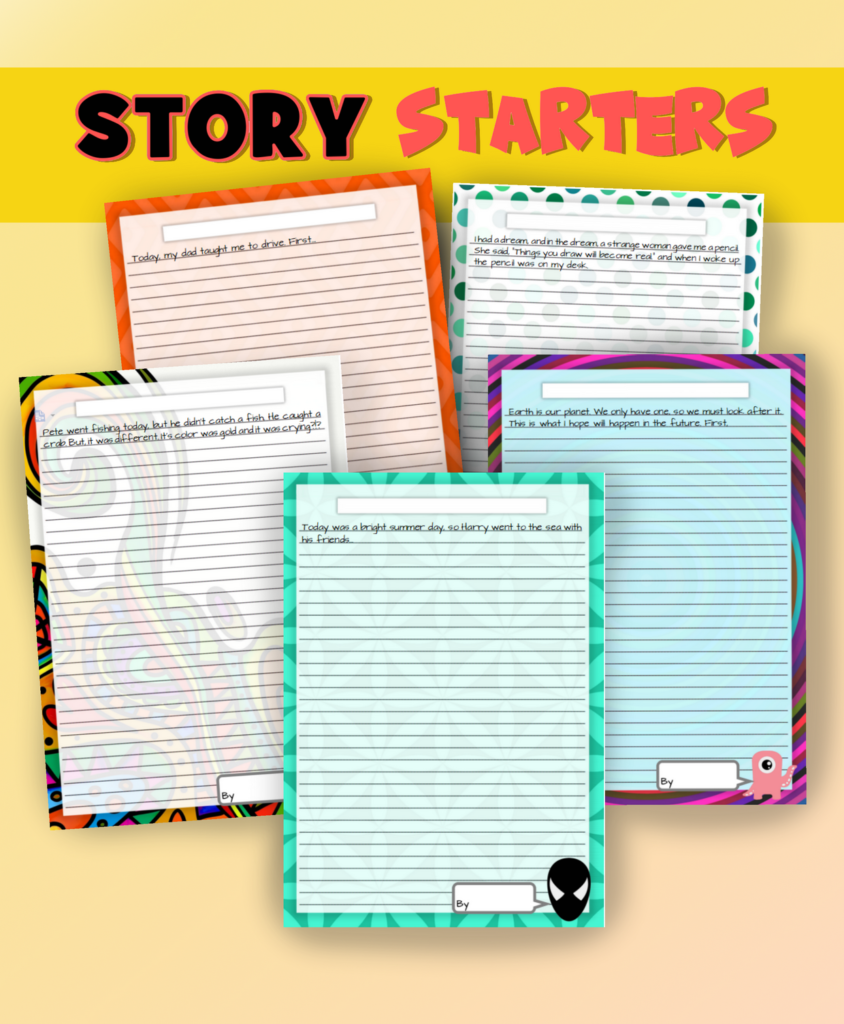
Sometimes the hardest part of writing is simply finding the first sentence. Our narrative prompts provide students with a “hook” to launch their stories, offering immediate context that gets pens moving across the page. Whether your students are:
- Exploring Mysteries: Joining treasure hunters Mark and Sarah as they discover a secret mountain cave.
- Chasing Adventure: Braving the heat on camelback to find a lost pyramid in the desert.
- Setting the Scene: Navigating a spooky Halloween night at a haunted house or enjoying a bright summer day at the sea.
[Get our downloadable bundle of writing prompt pages here!]
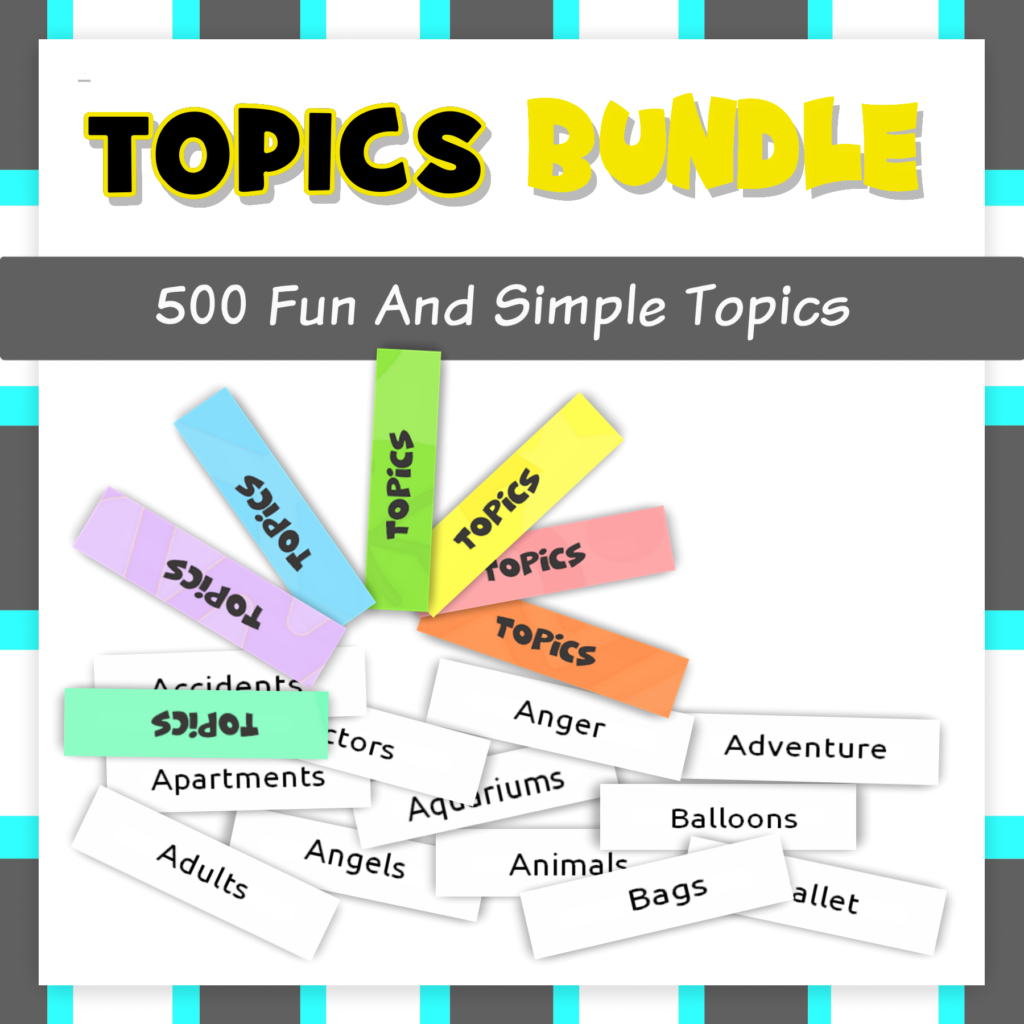
B. Building Knowledge with Nonfiction Topic Cards
Informative writing requires a different set of analytical muscles. Our nonfiction cards guide students through a structured brainstorming process, helping them categorize complex thoughts into clear, logical sections. These cards use a proven framework to build vocabulary and comprehension:
- Definition (“What is it?”): Learning to define subjects clearly, such as identifying gold as a precious, shiny metal.
- Description (“What does it look like?”): Building descriptive power by noting the orange and black spots of a leopard or the various shapes of power-cell batteries.
- Usage and Experience (“Who uses it?” / “Where is it?”): Connecting topics to the real world, from how everyone uses batteries for phones and toys to where chickens are found on a farm.
[Start using our Topic Cards today and watch your students’ confidence grow. Get them here!]
C. Celebrating Achievement with Mini Books
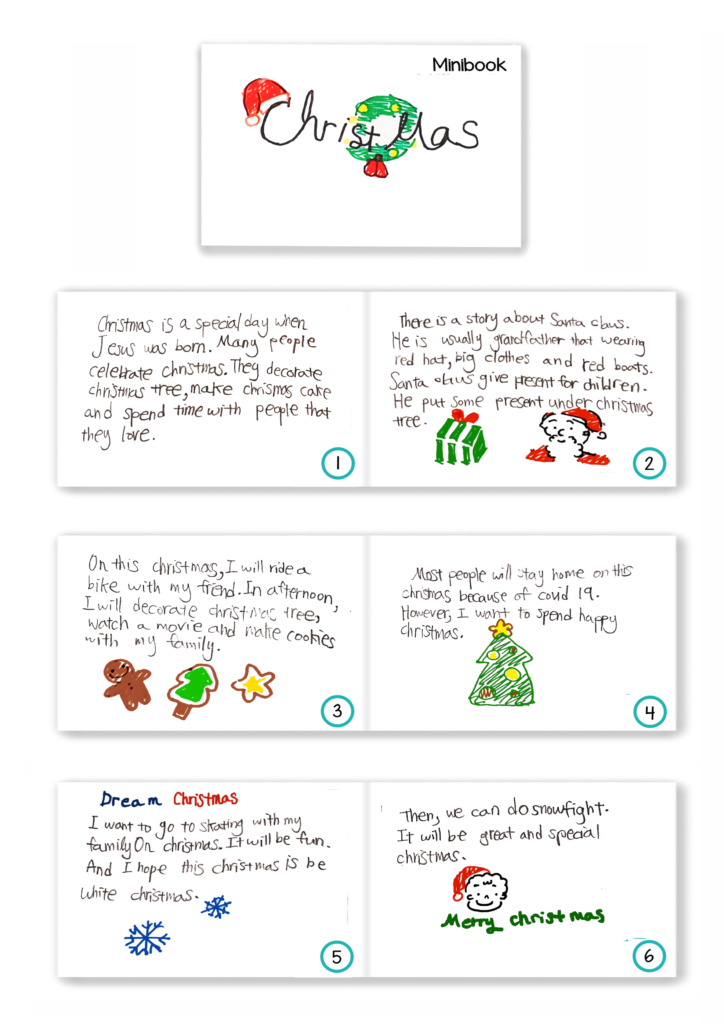
There is a unique pride in becoming a “published author.” Projects like our Christmas Mini Book allow students to move from brainstorming to a finished physical product that can be proudly displayed. Our templates guide them through the entire creative process:
- Planning the Visuals: Crafting a dedicated cover page with a title and custom pictures.
- Exploring Traditions: Writing about the significance of the holiday, from the birth of Jesus to the modern-day imagery of Santa Claus and his reindeer.
- Personal Reflection: Drafting a “Dream Christmas” where they can imagine the perfect presents or an epic snowfight with friends.
4. Boosting the “Four Pillars” of Language
Writing doesn’t exist in a vacuum. It has a “halo effect” on the other three core language skills:
| Skill | How Writing Improves It |
| Reading | Writing helps learners recognize sentence structures and patterns, making them faster, more analytical readers. |
| Speaking | Drafting thoughts on paper gives learners a “script” in their minds, leading to more confident speech. |
| Listening | Writing tasks like dictation train the ear to catch nuances in grammar and vocabulary. |
Final Thoughts
Writing remains the most durable way to demonstrate thought, record history, and share complex ideas. For a young English learner, mastering the written word isn’t just about “learning English”—it’s about gaining the tools to influence the world around them.