A Multimodal Approach to ESL
When teaching English to children, educators must use a variety of teaching methods to ensure lessons are universally engaging. Rather than labeling students as specific “types” of learners, the most effective approach is to incorporate multiple modalities—visual, auditory, physical, and analytical—into every lesson. This ensures that all students interact with the language in diverse, memorable ways.
Below are five key modalities and practical activities to incorporate them into your classroom.
Effective Modalities & Classroom Activities
| Modality | Focus | Recommended Classroom Activities |
| Visual | Learning through seeing and reading. | Whiteboard notes, flashcards, colorful pictures, videos, storybooks, maps, charts, and posters. |
| Auditory | Learning through listening and speaking. | Songs, stories, poems, verbal instructions, pronunciation practice, and group discussions. |
| Kinesthetic & Tactile | Learning through physical movement and touch. | Role-playing, gestures, scavenger hunts, crafts, Play-Doh, Lego models, and “feel in the bag” games. |
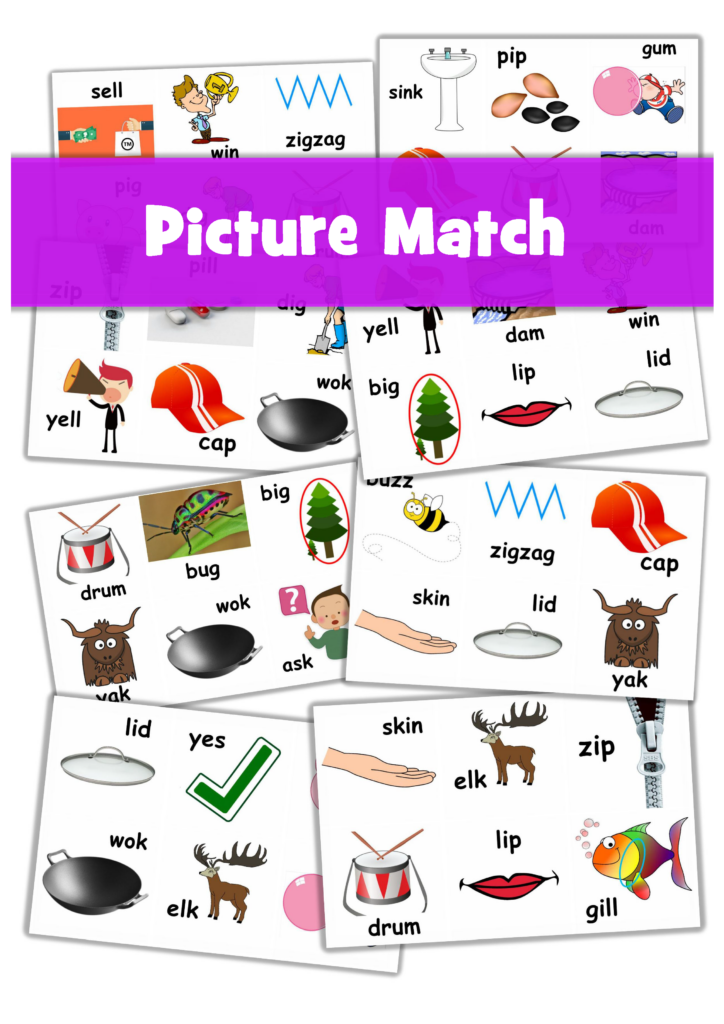
| Analytical | Learning through logic, rules, and details. | Word matching, spelling puzzles (like Hangman or word scrambles), categorizing objects, and step-by-step goals. |
| Global (Holistic) | Learning through big-picture concepts and play. | Collaborative group work, story writing, immersive games, and open conversations without immediate error correction. |
How to Apply This in the Classroom
1. Visually Stimulate the Environment
Fill your classroom with attractive posters and use flashcards or real objects when teaching new vocabulary. Use books with vibrant illustrations and incorporate computer graphics when possible.
2. Fill the Room with Sound
Encourage your students to listen and sing along to theme-based ESL songs. Make up stories to fit your lesson, and associate sounds with vocabulary (e.g., teaching animal noises alongside animal names). Always allow for oral communication by setting up pair or group work.
3. Get Them Moving and Touching
Young learners rarely want to sit still. Let them pass flashcards around, build scenes with Lego, or play charades to act out new verbs. If you are teaching the word “ball,” let them physically roll a ball.
4. Provide Puzzles and Big-Picture Play
Give students opportunities to think critically by categorizing items by size or color. Balance these structured, analytical tasks with “global” tasks, like playing a game just for fun or having a conversation where you don’t interrupt them to correct their grammar immediately.
Tying It All Together
You might be wondering how to fit all these elements into a single lesson. The key is to cycle through different modalities as you introduce and practice a concept.
Example: Teaching New Vocabulary
- Show flashcards and have the kids say the words clearly with associated noises (Visual & Auditory).
- Have the students run around the room acting out the words (Kinesthetic).
- Do a “feel in the bag” activity where they guess the object blindly (Tactile).
- Put students in teams to build models of the vocabulary words using Play-Doh (Global/Collaborative).
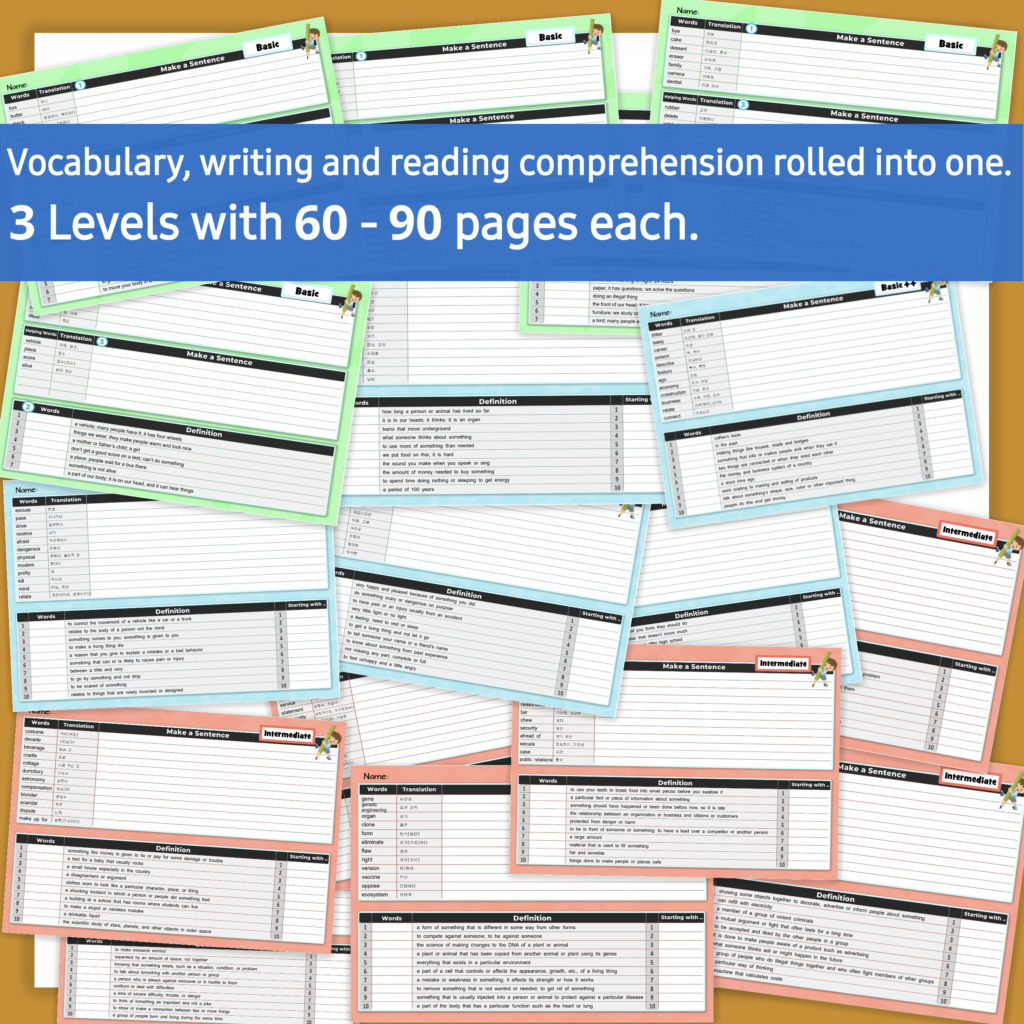
- Finish with a matching worksheet to solidify the spelling and definitions (Analytical).
You don’t have to include every single modality for every teaching point. However, by intentionally rotating through these methods, you will help your students understand, internalize, and truly enjoy your English lessons.