1️⃣ Two Truths and a Lie
A classic icebreaker where students take turns sharing two true statements and one false statement about themselves. The class must guess which one is the lie. This activity is excellent for practicing sentence structure, critical thinking, and getting to know classmates.
- Encourage students to ask follow-up questions to make the game more interactive.
- Use this as a warm-up activity to build rapport and confidence.
2️⃣ Would You Rather?
Present students with two choices and have them explain their decision. This activity encourages critical thinking, opinion-sharing, and spontaneous speaking. The key is to make the choices fun, thought-provoking, or even silly.
- Example: “Would you rather be able to fly or be invisible? Why?”
- Students can take turns creating their own “Would You Rather” questions.
3️⃣ Story Chains
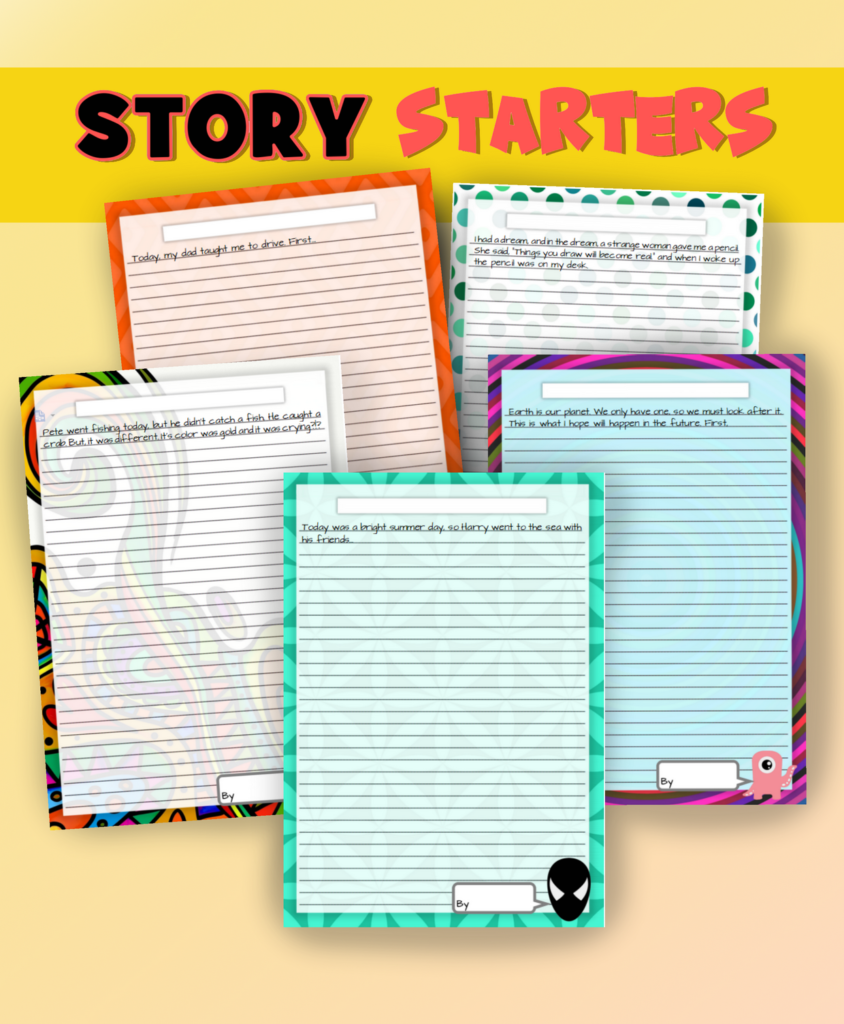
Start a story with one sentence, then have students take turns adding a sentence to continue it. This boosts creativity, listening skills, and quick thinking.
- Use visual prompts or specific themes to guide the story.
- Consider recording the final version for students to listen back to and discuss.
4️⃣ Debates
Assign students different viewpoints on a topic and have them debate their perspectives. Debates are a fantastic way to enhance argumentation, persuasive speaking, and develop critical thinking skills, but they can be challenging for younger learners.
- Debate topics should be relevant to learners. The more connected learners feel to a topic, the more they will be able to contribute. Topics should also be simple enough to allow them to express their thoughts clearly and confidently.
- Get ready-made MiniDebates topic cards designed for young learners.Each card includes fun topics, useful vocabulary, and engaging speaking prompts to get students talking.
5️⃣ Role-Play Scenarios
Pair students up and have them conduct mock conversations, such as ordering food at a restaurant, job interviews, or talking to a doctor. Role-playing strengthens real-world communication skills and builds confidence.
- Provide a list of possible questions and responses to guide the conversation.
- Get these ready-made Roleplay Cards! They focus on subjects kids love to talk about—like family, vacations, hobbies, and food—and include useful vocabulary and speaking prompts to keep the conversation flowing.
6️⃣ Topic Talk
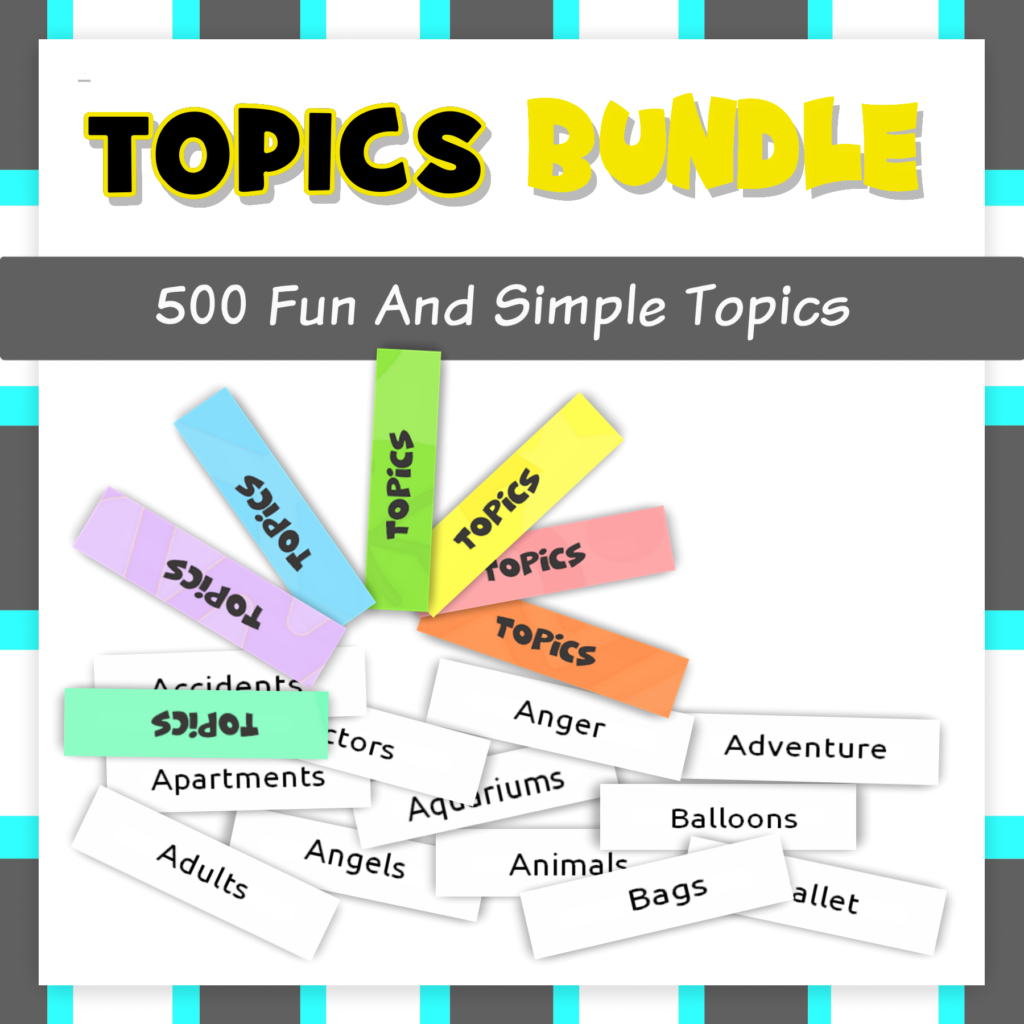
Students work in pairs and select two topics from a bag, choosing one to discuss together. Each student takes turns speaking for 20 seconds within an 80-second time limit. The teacher counts the number of words spoken and awards points accordingly.
Suggested discussion prompts:
- What is it?
- Describe it.
- What is its purpose?
- Who uses it?
- Where do you find it?
- When is it used?
- What do you think about it?
- Compare it to something else.
- Share a personal experience related to it.
Get the topics resource here.
7️⃣ TNT
This fast-paced game keeps students engaged as they practice forming and answering questions under time pressure.
- Use a small object (e.g., a rolled-up magazine) as the “bomb.”
- Set a countdown timer on your phone.
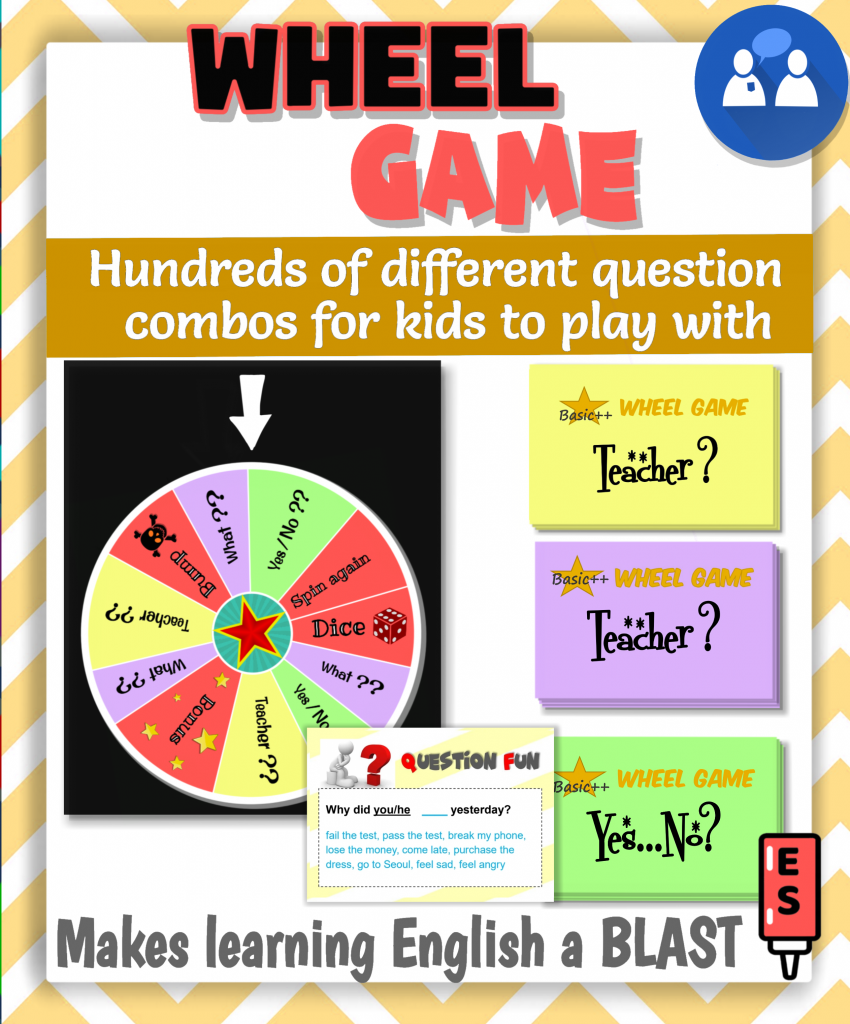
- Write a focus question on the board with a blank space, such as: “What do you ____?”
- Provide a list of verbs (e.g., eat, play, read, buy, borrow) that students must use to complete the question.
- The first student answers the question, then quickly asks a new question using a different verb before passing the TNT object to another student.
- The process continues until the timer goes off. Boom!
8️⃣ Mystery Object
Place an object in a bag and have students ask yes/no questions to guess what it is. This activity helps build vocabulary, critical thinking, and questioning skills.
- Encourage students to use complete sentences when asking questions.
- Limit the number of questions to increase the challenge.
- Allow students to take turns feeling the object (without looking) for added engagement.
- Reveal the object at the end and discuss its uses, history, or significance.
9️⃣ Picture Prompt Stories
Show students an interesting picture and have them create a short story about it. They can then share their stories with the class, improving creativity and storytelling skills.
- Provide a mix of realistic and imaginative images to spark ideas.
- Have students work in pairs or small groups to brainstorm and develop their stories.
🔟 Improv Scenarios
Give students different real-life scenarios (e.g., asking for directions, making a complaint) and have them act them out. This improves fluency and spontaneous speaking ability.
- Encourage natural responses instead of memorized scripts.
- Record the performances so students can review and reflect on their speaking skills.
Conclusion
Incorporating fun and interactive speaking activities into ESL lessons is key to improving student confidence and fluency. The more dynamic and engaging the exercises, the more comfortable students will feel speaking English. Try these activities in your classroom and watch your students develop their communication skills while having fun. Regular practice will enhance fluency, build confidence, and prepare students for real-world conversations.