
The 5 Best English Phonics Apps for Android in 2026

Elena Sterling
Finding a high-quality phonics app can feel overwhelming. With thousands of options in the Google Play Store, it is hard to tell which apps are genuinely educational and which are just noisy entertainment. As a parent or educator, you need tools that are not only engaging but also grounded in the science of reading.
To create this list, we didn’t just rely on popular opinion. We analyzed apps based on a combination of instructional quality (Does it teach systematically?), user engagement (Will kids stick with it?), and evidence of effectiveness. Our rankings were heavily influenced by a world-first independent study from 2025, “Finding the Needle in the Haystack,” which evaluated over 9,000 literacy apps to find those that truly align with evidence-based practice .
Here are the 5 best Android apps to get your child reading in 2026.
The Best Phonics Apps of 2026
1. Phonics Mini-Bites
Best for: Structured, Multi-Sensory Mastery
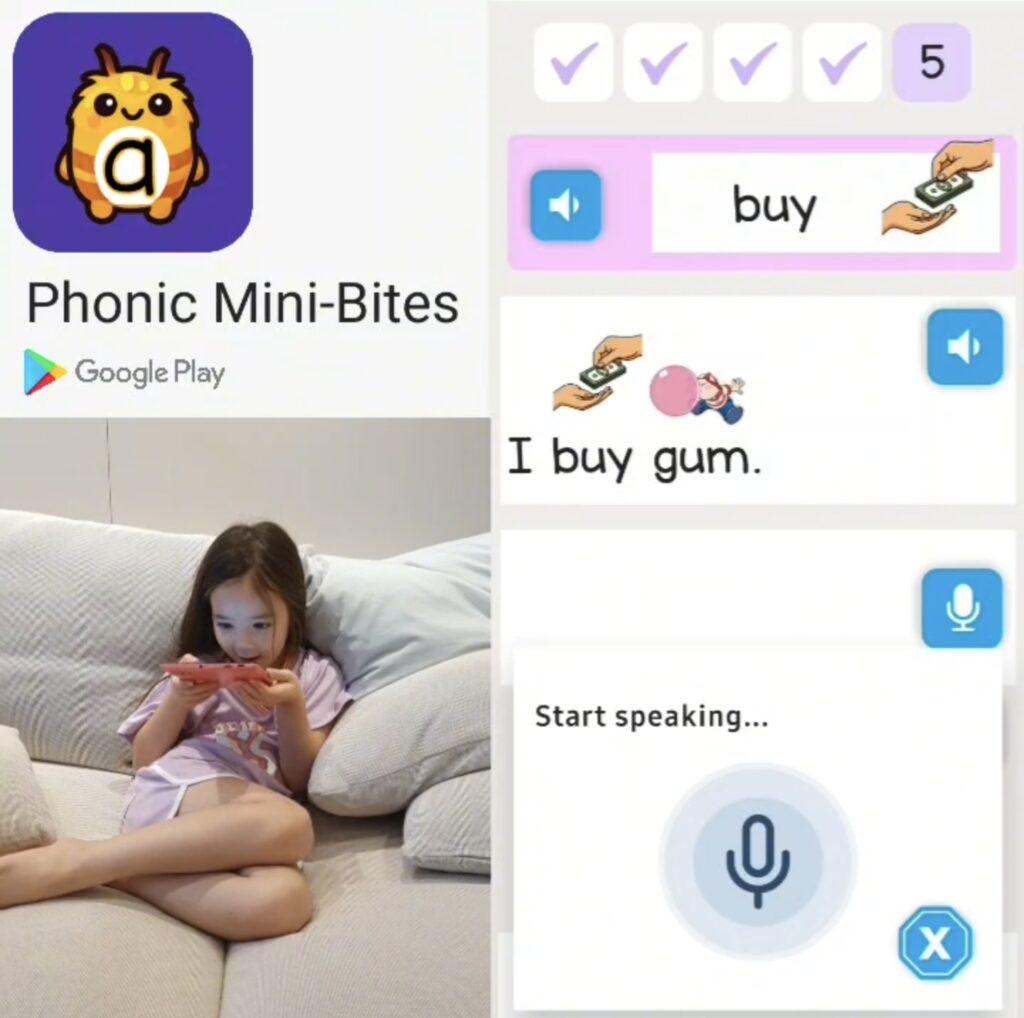
Taking the top spot in our rankings is Phonics Mini-Bites, an app that feels less like a game and more like a complete, structured phonics curriculum delivered through a highly engaging interface. While many apps focus on one or two skills, Phonics Mini-Bites builds mastery through a deliberate, seven-page-per-unit approach that ensures deep learning rather than surface-level recognition.The app is organized into 15 progressive units, each introducing a new set of letter-sound relationships.
What makes Phonics Mini-Bites exceptional is this spiral review. It doesn’t just introduce a concept and move on; it revisits the same letters and words through seven distinct cognitive lenses—from visual matching to auditory discrimination to kinesthetic tracing and finally to oral production. For parents seeking a tool that feels like a personal tutor, this is the new gold standard.
2. Hairy Letters
Best for: Evidence-Based, Systematic Instruction
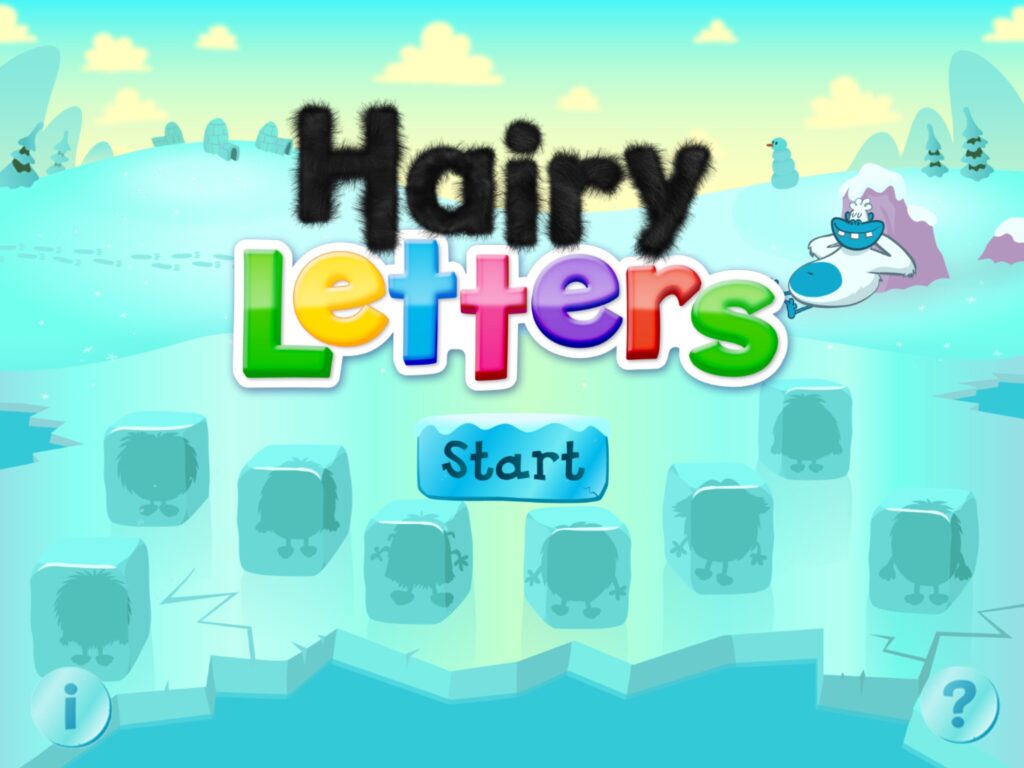
Hairy Letters is the highest-scoring app from the 2025 Furlong study. It received a perfect expert score of 5/5 for instructional quality . The app introduces letter sounds and shapes in a specific, systematic sequence, which is crucial for building a strong foundation. It avoids the guessing strategies that weaker apps encourage, focusing purely on accurate phoneme production and blending. If you want an app with proven pedagogical weight behind it, this is a top contender.
3. Superfonik
Best for: Reluctant Readers and Engagement
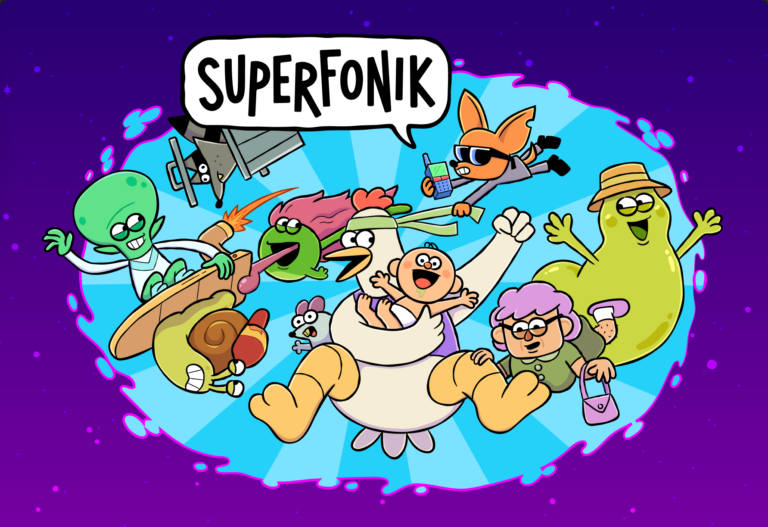
Many phonics apps feel like digital worksheets, but Superfonik feels like a comic book come to life. Designed for ages 5-10, it uses a “comics meet phonics” approach to teach over 800 vocabulary words. According to internal research, 92% of kids who played Superfonik improved their ability to recognize letter sounds . The magic lies in its “sounder-outer” tool and fast-paced games, which held the attention of testers for 15-minute sessions without complaint.
4. Smart Phonics
Best for: Structured, Multi-Format Lessons
Smart Phonics is a favorite among teachers because it mirrors the structure of a classroom textbook. The app uses a five-level system that moves from single letters to more complex digraphs. It leverages AI for pronunciation assessment, giving instant feedback that helps kids correct their mistakes immediately . For parents looking for a structured “course” rather than just a collection of games, Smart Phonics offers a clear path from learning letters to reading short stories.
5. Duolingo ABC
Best for: Free, Comprehensive Phonics Practice
Rounding out our list is Duolingo ABC, the rare educational app that is genuinely free with no ads, no in-app purchases, and no premium upsells—a true unicorn in the 2026 app landscape . From the creators of the world’s #1 language learning platform, Duolingo ABC brings the beloved green owl to early literacy, offering over 700 bite-sized lessons designed for children ages 3-8 .
What makes Duolingo ABC particularly effective is its systematic, sequential approach to instruction. The app is structured into 10 themed levels with clear lesson goals, starting with simple letter-sound relationships and gradually progressing to more complex phonics concepts, sight words, and vocabulary . Children engage with multi-sensory activities that include letter tracing, drag-and-drop prompts, and interactive stories where words are highlighted as they are spoken .
A recent nine-week study on Duolingo ABC found that children who used the app for at least one hour per week showed measurable improvements in foundational literacy skills . This research-backed curriculum, designed by literacy and early-education experts, ensures that children aren’t just playing games—they’re building genuine, transferable reading abilities .
The app excels at engagement through its charming graphics and proximity-based rewards. Children unlock books for their digital library as they progress, creating a tangible sense of accomplishment . The personalized approach allows children to print their own names and learn at their own pace, while parents can lock access to certain levels to prevent skipping ahead . And with offline functionality, those phonics lessons can continue during car rides, flights, or anywhere without an internet connection .
While some literacy experts note that the app could benefit from more frequent decoding practice and decodable books that children can read independently, its strengths in usability, engagement, and accessibility make it an outstanding choice for families seeking quality phonics instruction at no cost . For parents who want to supplement classroom learning without straining the family budget, Duolingo ABC delivers exceptional value.
How to Choose the Right Fit
The best app is the one your child will actually use. For a non-reader just starting out, the deep, multi-sensory structure of Phonics Mini-Bites provides the strongest foundation. If your child complains about reading, let them try Superfonik to remind them that literacy can be fun. And for budget-conscious families who want quality instruction without spending a dime, Duolingo ABC is an unbeatable resource. Remember, even 10 to 15 minutes of focused practice, four times a week, can lead to measurable improvements in literacy skills.
Which of these strategies do you already use? Do you have a favorite tip? Share your experiences in the comments below!
This blog post is structured to be engaging, clear, and SEO-friendly.


