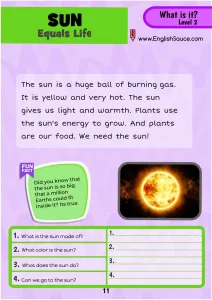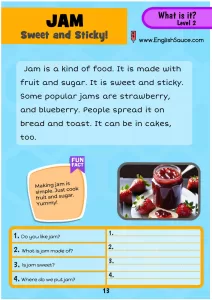


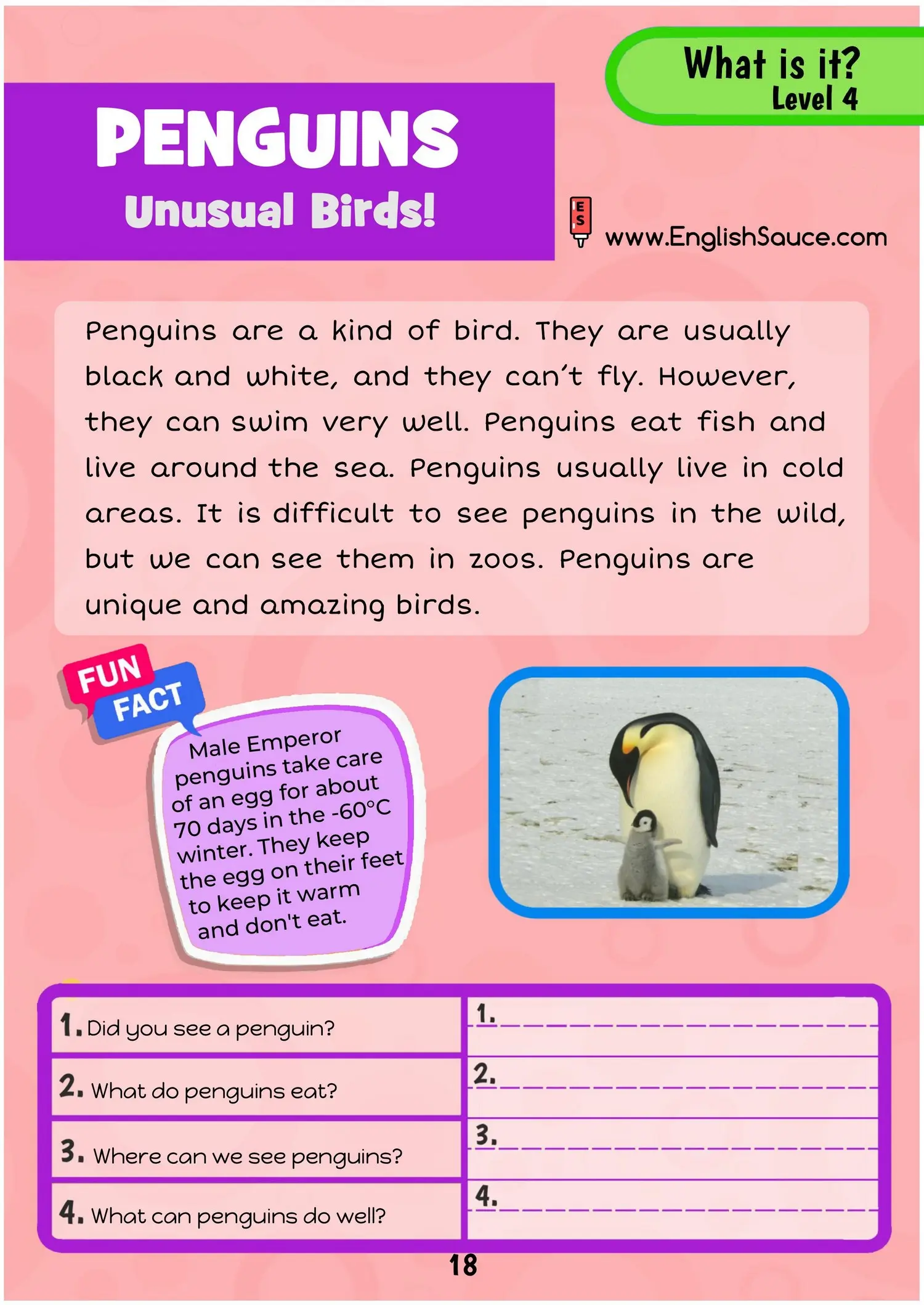
This penguin reading comprehension worksheet is designed to help 3rd and 4th-grade students, as well as intermediate ESL/EFL learners, develop literacy skills while exploring the world of these “unusual birds.” This informational passage introduces students to key facts about penguin anatomy, their amazing swimming abilities, and their cold-weather habitats.
The text features slightly more descriptive language than lower levels while remaining accessible for elementary readers. It explains that although penguins are birds that cannot fly, they are excellent swimmers that live by the sea and eat fish. After reading, students answer four comprehension questions that encourage them to recall specific facts and share their own experiences with seeing penguins in the wild or at zoos.
This resource supports Science of Reading–aligned instruction by helping students build background knowledge about the natural world while practicing decoding and vocabulary acquisition. The engaging animal theme makes it an excellent tool for improving reading stamina and fluency.
A fascinating “Fun Fact” about Male Emperor penguins—who protect their eggs on their feet for 70 days during the harsh -60 degree winter without eating—provides a great entry point for lessons on animal adaptations and survival.
Perfect for:
- 3rd–4th grade reading comprehension practice
- Intermediate ESL / EFL learners
- Science of Reading aligned literacy instruction
- Animal-themed science and literacy units
- Guided reading groups and independent seatwork
- Homeschool science and English activities
Skills practiced:
- Reading informational / nonfiction text
- Understanding animal adaptations and habitats
- Identifying key details within a passage
- Developing academic vocabulary (e.g., unique, unusual)
- Critical thinking and discussion
Great for biology-integrated literacy lessons, homework assignments, classroom centers, and reading intervention groups focusing on nonfiction comprehension.